
Patent No. 7867700: A Novel PTX3-Fc Fusion Protein Strategy for Simultaneous Control of Infection and Inflammation
Harnessing Innate Immunity for Next-Generation Infectious Disease Therapeutics
Overview: Key Technological Concepts and Patent Significance
This patent describes a novel therapeutic approach based on Pentraxin 3 (PTX3), a key molecule of the innate immune system.
PTX3-derived peptides are known to suppress vascular endothelial cell damage during severe inflammatory conditions such as sepsis by binding to extracellular histones and forming aggregates. However, standalone peptides are rapidly degraded in vivo and therefore suffer from limited stability.
To address this challenge, the invention fuses the PTX3-derived peptide with the Fc region of an antibody, substantially improving both biological half-life and molecular stability. Efficacy has been demonstrated in animal studies.
In addition, the Fc-fused PTX3 peptide is capable of binding viral proteins, including the spike protein and nucleocapsid protein of SARS-CoV-2, suggesting potential antiviral activity.
This technology represents a new therapeutic modality capable of simultaneously targeting the two major drivers of disease severity:
- Infection
- Excessive inflammation
Background: Biological Functions of PTX3 and Challenges in Drug Developmen
PTX3 is an acute-phase protein that is rapidly produced and released in response to inflammatory stimuli, primarily by neutrophils and other immune cells.
PTX3 contributes to host defense through multiple mechanisms, including:
- Direct pathogen recognition
- Complement activation
- Opsonization
As part of our research and development efforts, PhotoQ3 has focused particularly on two important functions of PTX3.
1. Histone Neutralization
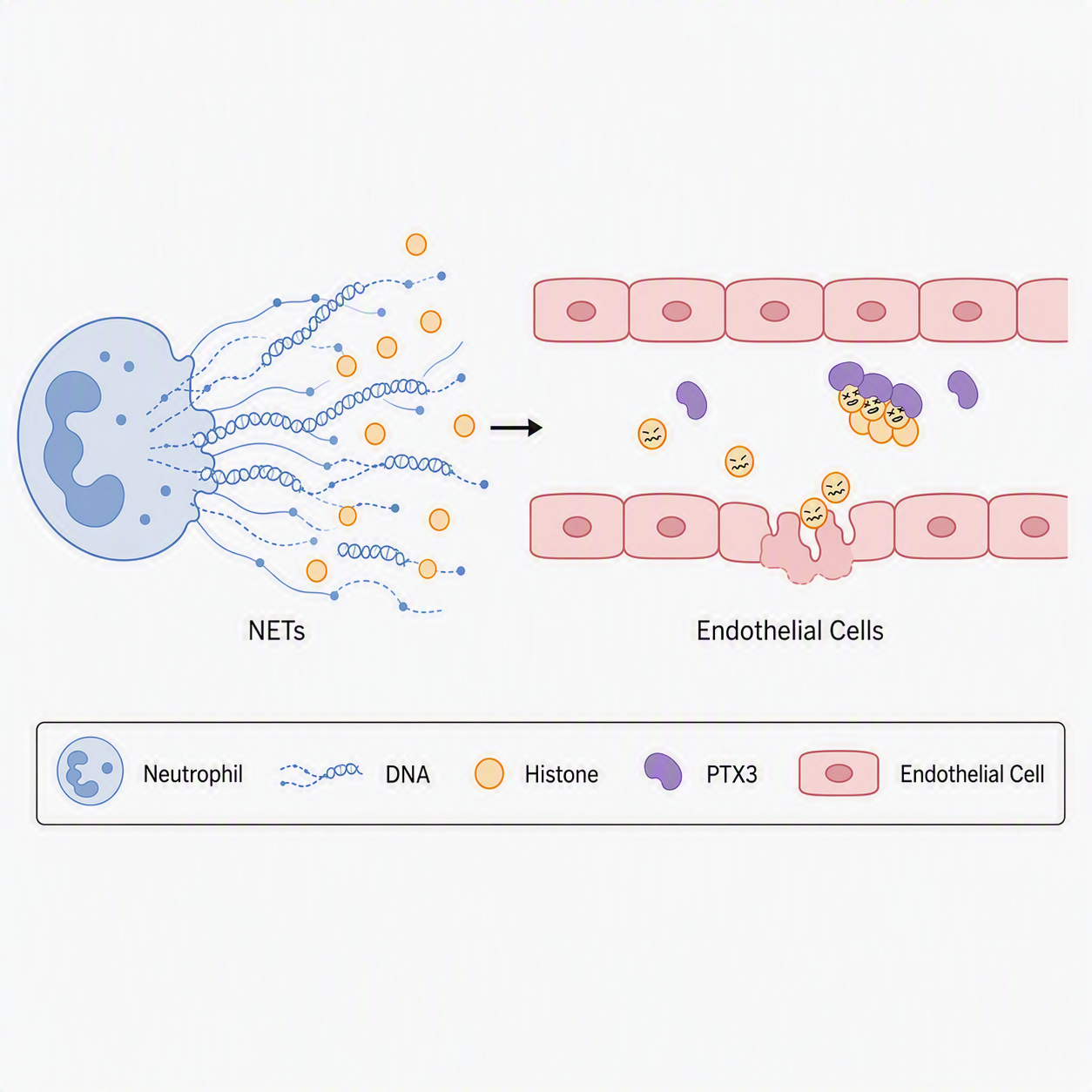
While at the Institute of Industrial Science, The University of Tokyo, PhotoQ3 CEO Takao Hamakubo and colleagues discovered that PTX3 interacts with extracellular histones and forms co-aggregates that protect vascular endothelial cells from histone-mediated cytotoxicity.
Extracellular histones are released as part of Neutrophil Extracellular Traps (NETs), an innate immune mechanism designed to capture invading pathogens. When released excessively, these histones become highly cytotoxic to vascular endothelial cells, promoting microthrombosis, multiple organ failure, and ultimately septic death.
Reference:
Daigo K., Nakakido M., Ohashi R., et al.
Protective Effect of the Long Pentraxin PTX3 Against Histone-Mediated Endothelial Cell Cytotoxicity in Sepsis.
Science Signaling 7, ra88 (2014).
2. Antiviral Neutralization Activity
PTX3 can bind to viral surface and structural proteins from pathogens such as:
- SARS-CoV-2
- Influenza virus
- Cytomegalovirus
Through these interactions, PTX3 physically blocks viral attachment and entry into host cells, thereby exerting a neutralizing effect.
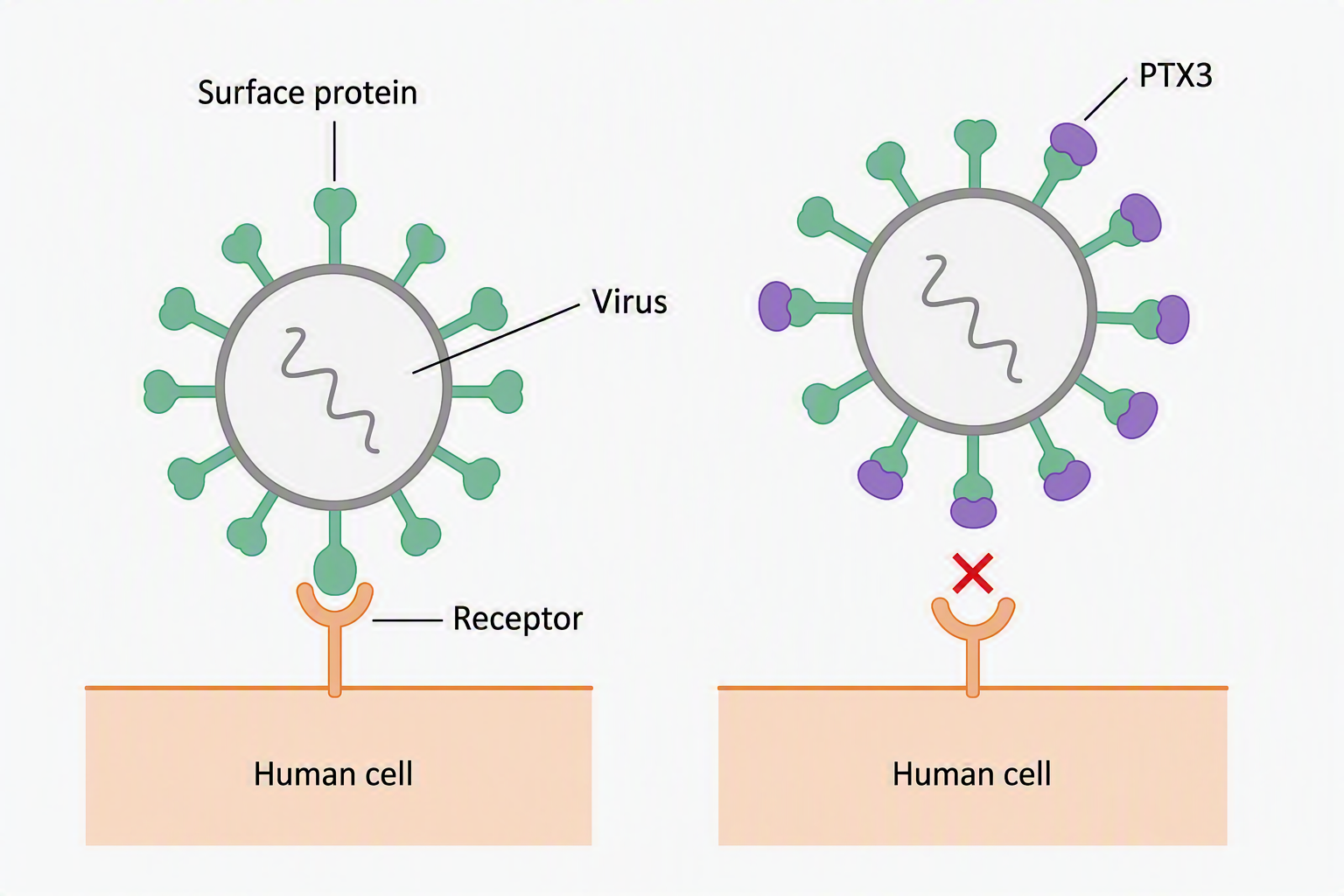
Figure 2. Prevention of Viral Entry into Host Cells by PTX3
Although the N-terminal region of PTX3 contains the essential neutralizing activity against these pathogenic factors, short peptides derived from this domain alone exhibit limited serum stability and insufficient in vivo efficacy. This limitation provided the starting point for the present invention.
Key Innovation 1: Functional Minimization of PTX3 and Fc-Fusion-Based Molecular Engineering
A major innovation of this technology is the identification of the minimal functional domain of PTX3 and its fusion to an antibody Fc region, creating a drug-like molecule suitable for therapeutic development.
While native PTX3 possesses broad biological activity, its large size and aggregation tendency pose challenges for formulation and pharmacokinetic control. These issues were addressed through:
- Functional minimizationStructural optimization
- Structural optimization
Identification of the Functional Domain
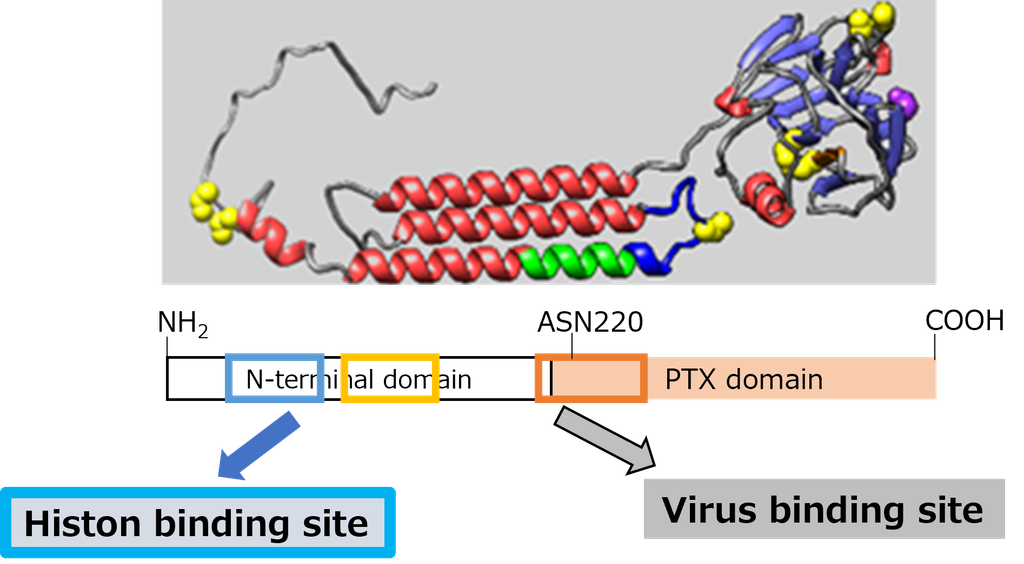
The inventors found that the N-terminal region of PTX3 (primarily amino acids 18-67) is sufficient to mediate binding to both extracellular histones and viral proteins.
Optimization Through Fc Fusion
Fusion of the PTX3 N-terminal domain to an antibody Fc region provides several advantages:
- Extended circulating half-life
- Improved molecular stability and solubility
- Compatibility with established antibody manufacturing and purification processes
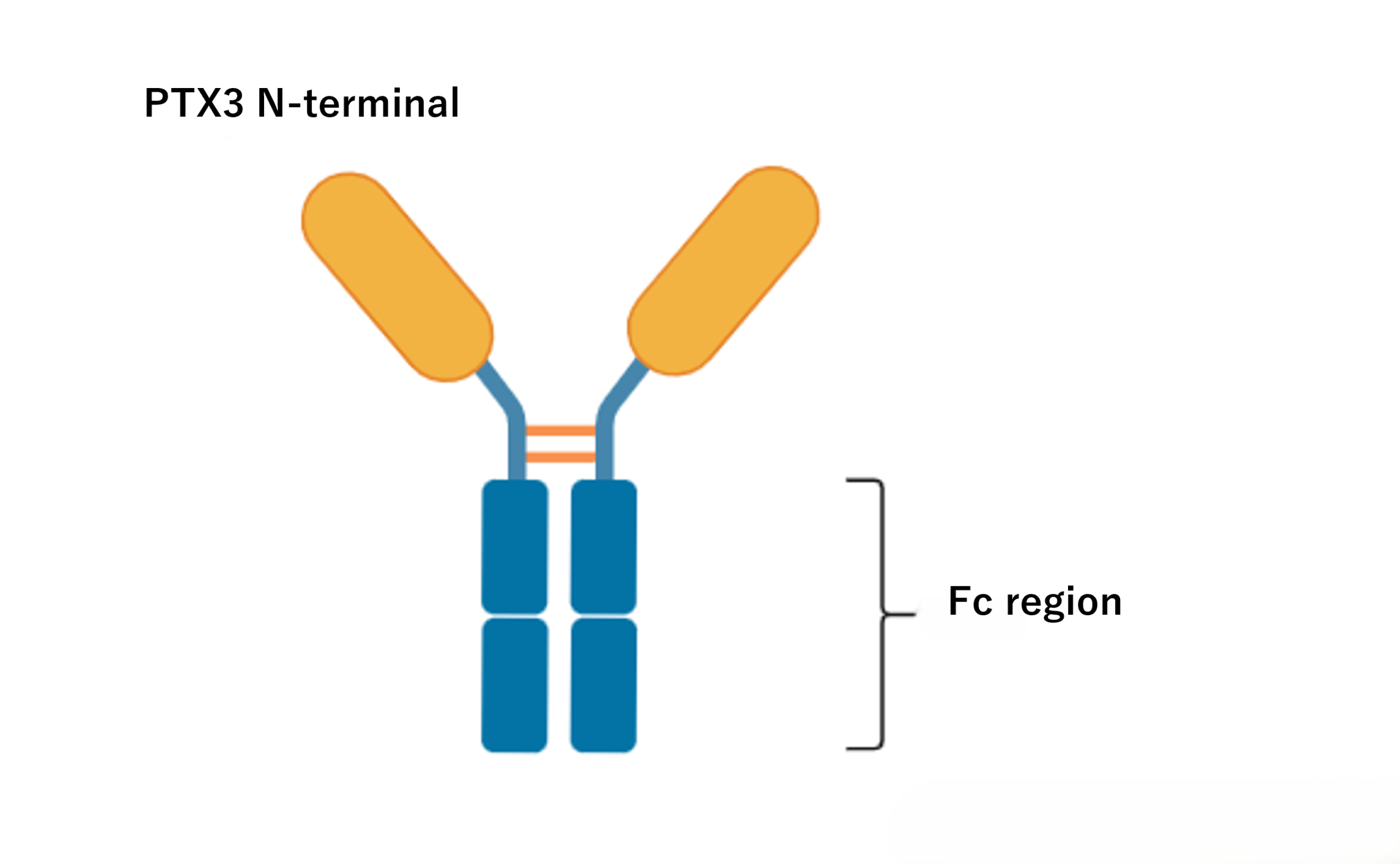
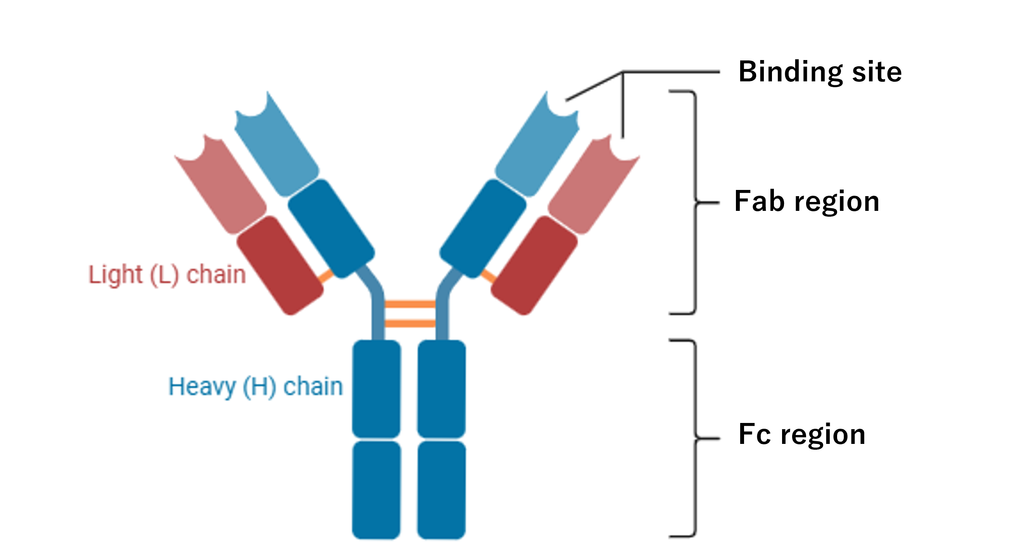
Figure 4. Structure of the Fc-PTX3 N-Terminal Fusion Protein Compared with an IgG Antibody
Key Innovation 2: A Dual Mechanism That Controls Both Infection and Inflammation
One of the most distinctive features of this technology is its ability to simultaneously address both infectious agents and inflammatory damage using a single molecular entity.
Conventional treatment strategies typically require separate therapeutic interventions:
- Antiviral or antibacterial agents to control infection
- Anti-inflammatory therapies to manage subsequent tissue injury and organ dysfunction
In contrast, this technology combines both functions into one therapeutic platform.
Infection Control
- Binds viral surface proteins, including spike proteins
- Inhibits viral entry and pathogenic activity
Inflammation Control (DAMP Suppression)
- Binds extracellular histones released during inflammation
- Forms neutralizing aggregates
- Protects vascular endothelial cells from injury
By simultaneously targeting both pathogen-derived and host-derived disease drivers, this approach offers a comprehensive treatment strategy for complex diseases such as sepsis and COVID-19.
Conclusion: Technological Value and Future Applications
This technology introduces a novel therapeutic concept in which a single molecule can simultaneously regulate infection and inflammation.
By optimizing the functional domain of PTX3 and stabilizing it through Fc fusion, the invention enables a broad-spectrum intervention mechanism that differs fundamentally from conventional anti-infective or anti-inflammatory drugs.
Potential applications include:
- Sepsis and systemic inflammatory disorders
- Severe viral infections, including COVID-19
- Diseases associated with endothelial injury and immune hyperactivation
Because it targets both pathogen-derived factors and host-derived inflammatory mediators, this technology has the potential to address disease processes that remain difficult to treat using current therapeutic approaches.
Future development may include combination therapies, expanded clinical indications, and broader application as a platform technology for infectious disease treatment.
Contact Us
PhotoQ3 is committed to translating innovative science into practical medical solutions that provide new treatment options for infectious diseases.
If you are interested in the technology or patents described in this article, or would like to explore opportunities for collaboration, licensing, partnership, or investment, please feel free to contact us.